How Much Do You Know About Summer Skin Safety? Take This True or False Skin Cancer Quiz
Lite Rock 96.9
As summer kicks into gear, it’s more important than ever to protect your skin from the sun. Ultraviolet (UV) rays don’t just cause sunburn, they can also lead to skin damage and increase your risk of skin cancer, the most common type of cancer in the U.S.
#PracticeSafeSun with These Tips:
Seek shade between 10 a.m. and 2 p.m., when the sun’s rays are strongest.
Wear a wide-brimmed hat, sunglasses with UV protection, and sun-safe clothing.
Use broad-spectrum sunscreen with SPF 30 or higher, even on cloudy days.
Reapply every two hours, especially if swimming or sweating.
Do monthly skin checks and schedule regular exams with a dermatologist.
Learn more and stay informed with trusted sources like AAD.org, CDC.gov, and SkinCancer.org.
But how much do you really know about skin cancer? Let’s put your knowledge to the test with a quick true-or-false quiz:

Todd Arena - Thinkstock 1You Can Only Get Skin Cancer on Areas Exposed to the Sun
FALSE. Many people think that only certain areas of the body that are exposed to sunlight can get skin cancer. While skin cancer is more common in sun-exposed areas, it can appear anywhere on the body. This includes uncommon places such as the palms of the hands, soles of the feet, between fingers or toes, or even underneath the nails.
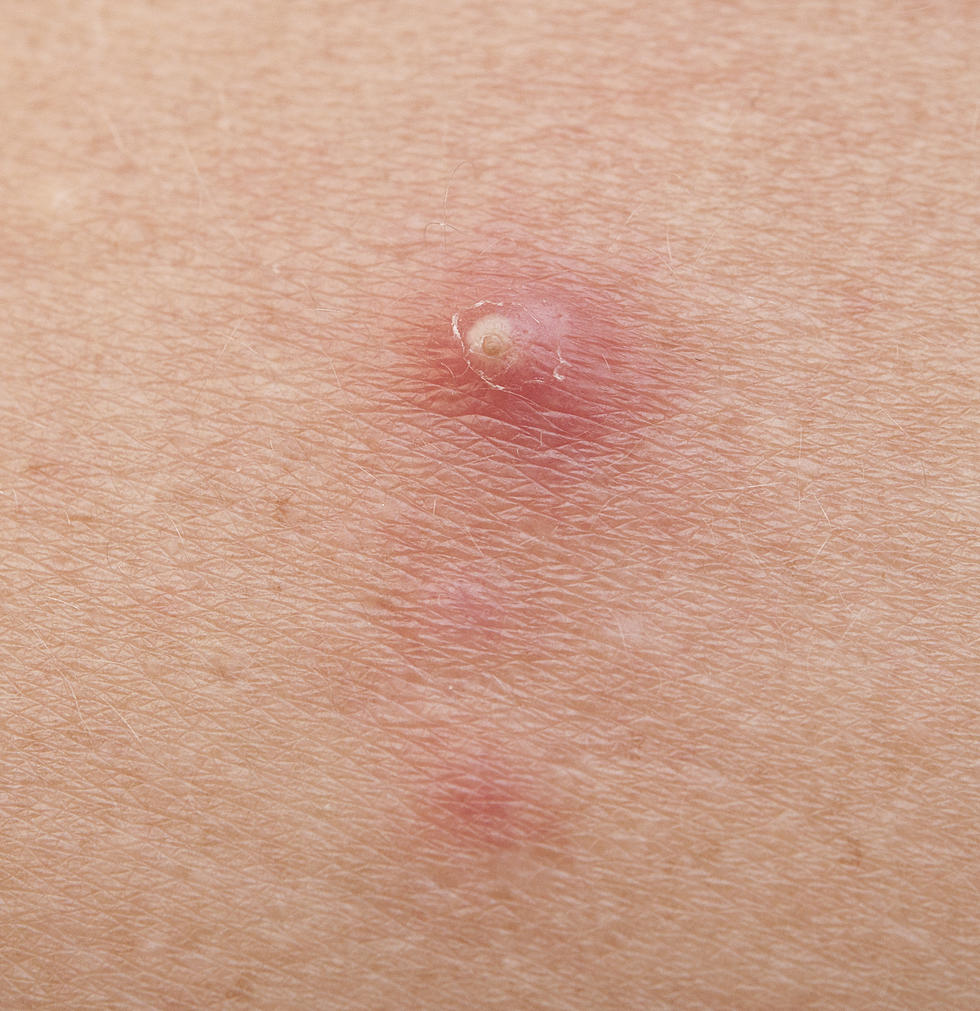
inxti - Thinkstock 2You Can Always Recognize Skin Cancer
Skin cancer is commonly thought of as a spot on the skin with dark colors or abnormalities. However, skin cancer can come in many forms. Some of those forms include looking like pimples, warts, freckles, or bruises. They are not always large, either. They can be small and unassuming, but if you see anything out of the ordinary, contact a doctor.

gmast3r - Thinkstock 3A Biopsy Aggravates Skin Cancer
FALSE. Some people are afraid to get something that may be skin cancer looked at because they believe having a biopsy aggravates the cancer. There is no evidence that indicates this happens.

.shock - Thinkstock 4Getting a Base Tan Protects You From Skin Cancer
FALSE. Whether it is indoor or outdoor, tanning can be extremely dangerous. Some people believe that having a “base” suntan prevents the skin from burning. A base tan is a sign of skin damage. It offers very little protection and adds to your lifetime UV exposure. Tanning can lead to melanoma, which is the most dangerous type of skin cancer.

BananaStock - Thinkstock 5Sunscreen Reduces Vitamin D
FALSE. There are a bunch of common misconceptions about sunscreen. One of those is that regular sunscreen use prevents vitamin D absorption. This is not true. There are many ways to obtain vitamin D, such as through foods, vitamin supplements, or small amounts of sun exposure (about 15 minutes is all you need).
Sunscreen also does NOT protect you from tanning beds. With or without sunscreen, tanning beds expose you to intense UV rays that increase the risk of melanoma as well as other skin cancers.
Be sure to apply a thick layer of sunscreen and reapply every 90 minutes, and after going in the water or sweating.
- 6
You Need Sunscreen on Cloudy Days
TRUE. Up to 80% of UV rays can still get through cloud cover. Sunscreen is a year-round essential, not just for sunny days.
- 7
Skin Cancer Only Affect Older Adults
FALSE. Melanoma is one of the most common cancers in young adults, especially women under 30. Sun safety matters at every age.
- 8
People with Darker Skin Can't Get Skin Cancer
FALSE. Anyone can get skin cancer, regardless of skin tone. In fact, it’s often detected later in people with darker complexions, which can make it more dangerous.
- 9
Changes in Moles or Marks Can Be Sings of Skin Cancer
TRUE. New or changing moles, especially those that are asymmetrical, have uneven borders, or change in color or size, should be checked by a dermatologist. Early detection is key—skin cancer is highly treatable when caught early.


More From Lite 96.9 WFPG