

Make Protein Bars At Home, Control Every Ingredient And Flavor
Homemade Protein Bars: Three Easy Recipes for a Satisfying Snack
Protein bars can be a convenient snack, but some store-bought options contain more added sugar or calories than you might expect. Their nutritional value varies, and ingredients like nuts, seeds, and oats contribute useful fats and carbohydrates. Making your own lets you control the ingredients, sweetness, and portion sizes—often at a lower cost per bar.
Homemade protein bars are easy to customize. You can choose your favorite protein powder, add seeds for crunch, or experiment with flavors like peanut butter, chocolate, and cinnamon. They’re handy before or after a workout, packed for work, or enjoyed between meals. Most work better as a snack than as a complete meal.
What Goes Into a Good Homemade Protein Bar?
A satisfying bar combines a few basic ingredients:
- Protein: Protein powder, peanut butter, nuts, or seeds.
- Carbohydrates and fiber: Oats and dried fruit add texture and help make the bars more substantial.
- Fats: Nut or seed butter helps bind the ingredients and adds richness.
- Flavor: Cinnamon, vanilla, cocoa powder, or a small amount of chocolate can make a simple recipe more enjoyable.
Keep in mind that an unsweetened protein powder does not make the entire recipe sugar-free if you also add honey, maple syrup, or dried fruit. Adjust the whole recipe to suit your preferences.
The following recipes require no baking and use ingredients you can find at most grocery stores.
Tips for Better Bars
Adjust the texture slowly. Protein powders absorb different amounts of liquid. Plant-based powders often need more moisture, while other powders may produce a softer bar. Start with the smallest amount of milk and add more gradually.
Fix a crumbly mixture before chilling. If the dough falls apart when squeezed, add a little more milk or nut or seed butter. If it is too sticky, mix in a spoonful of oats.
Press firmly. Compacting the mixture helps the bars hold together when sliced. A second piece of parchment makes pressing easier.
Know your protein content. The amount per bar depends on your protein powder and other ingredients. For an accurate estimate, add up the protein listed on the ingredient labels and divide by eight.
Store them cold. These are fresh, homemade snacks rather than shelf-stable packaged bars. Keep them in an airtight container in the refrigerator and enjoy within 4–5 days, or freeze individually for up to 2 months. Carry them in an insulated bag with an ice pack when you are away from home.
Make Your Snack Work for You
Homemade protein bars do not need to be complicated. With a few pantry staples and a little mixing, you can prepare a batch of convenient snacks for the week.
Start with the flavor you like best, adjust the texture as needed, and experiment with small changes. The best recipe is one you enjoy making—and eating.

From Running To The Kitchen. 1Cake-Based Protein Bars
Homemade cake-based protein bars are light and fluffy with a fraction of the sugar as the bars you’d find on store shelves.
Try a recipe here!

Baiba Opule 2Granola-Based Protein Bars
Granola-based protein bars are packed with protein and fiber and are a great way to fuel your body before or after a workout.
Try a recipe here!
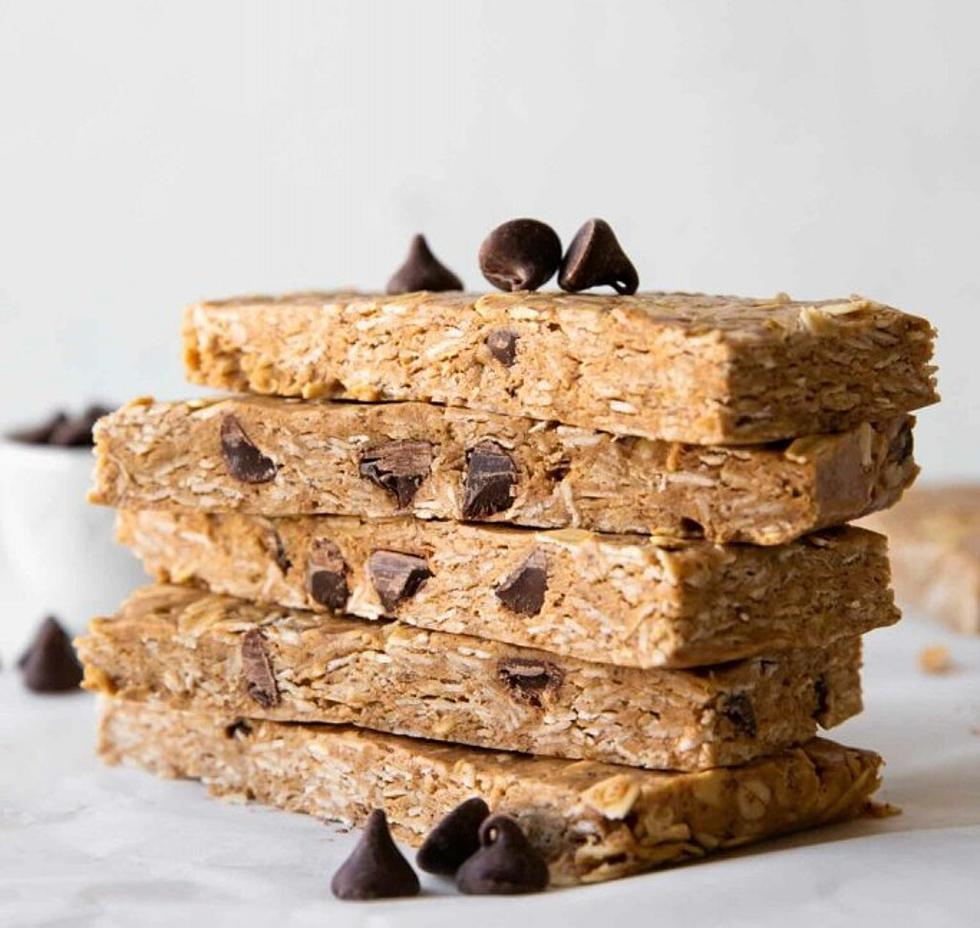
Via Jar Of Lemons 3No-Bake Protein Bars
No-bake protein bars are a type of protein bar that does not require baking. The benefits of no-bake protein bars include being lower in calories and fat and being quicker and easier to make.
Try a recipe here!
More From Lite 96.9 WFPG


