Flexibility Matters At Every Age
Many of us focus on strength and cardio while overlooking flexibility, but maintaining a good range of motion can improve everyday movement, reduce discomfort, and support long-term physical health. Whether you're a teenager, an adult, or an older adult, flexibility plays a key role in our overall fitness.
Flexibility is the ability of our muscles and joints to move through their full range of motion. One of the biggest benefits of flexibility is injury prevention. Tight muscles and stiff joints are more likely to become strained during physical activity. Regular stretching helps muscles stay loose and prepared for movement or common injuries.
Also, flexibility improves posture. Many of us spend hours each day sitting at desks, using computers, or looking down at our phones. Over time, these habits can tighten muscles in our neck, shoulders, hips, and back. Stretching regularly helps relieve this tightness and support better posture.
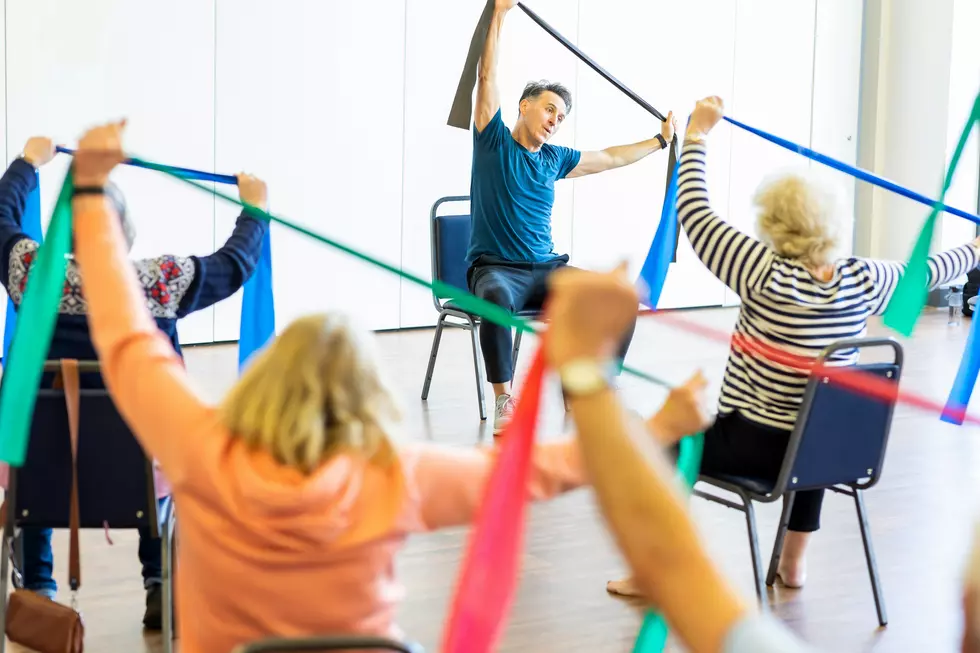
As we age, flexibility naturally decreases. Muscles become less elastic, and joints may become stiffer. Without regular stretching and movement, everyday tasks can become more difficult. Maintaining flexibility helps older adults preserve their independence and reduce the risk of falls.
Improving flexibility does not require hours in the gym either. Simple stretches performed for 10 to 15 minutes several days a week can make a noticeable difference. Activities such as yoga, Pilates, and regular stretching routines are excellent ways to maintain flexibility throughout life.
Flexibility is often overlooked, but it is one of the foundations of lifelong health and mobility. By stretching regularly and keeping our muscles and joints flexible, we can reduce the risk of injury and move more comfortably at any age.
More From Lite 96.9 WFPG