

Animals & Rabies In Atlantic County, NJ — It’s Not What You Think
I have learned a whole lot about rabies and other misconceptions since speaking yesterday with Suzanne Fenton, a Licensed Wildlife Rehabilitator, Wildlife Aid in Atlantic County, New Jersey.
Introducing Suzanne Fenton

Suzanne Fenton has been a licensed wildlife rehabilitator of mammals for more than 35 years.
Rabies Is Actually More Rare Than Most People Think
The term “rabies” can be thrown around recklessly any time you see a fox, racoon, skunk, squirrel in your neighborhood.
Rabies is not a common wildlife virus. It requires an infected animal to transfer its saliva to another mammal, usually by a bite. It the saliva of the rabid animal dries in the environment, it is not contagious. If you look at the New Jersey Health Animal Rabies Cases by County and Species it displays a breakdown of animals that were confirmed rabid, said Fenton.
More Misconceptions From Fenton
Fenton also confirms that when a raccoon, skunk or fox, etc. is spotted in the daylight hours — it is not a sign the animal is rabid.
“Possible explanations could be it was disturbed while sleeping; it is a nursing animal that needs to eat/drink more to stay healthy because it is raising babies; it may have distemper (an airborne virus which is very prevalent in this area) or it may have mange (which only affects a red fox or coyote),” said Fenton.

Wildlife Finding Difficulties To Survive
Fenton attributes this to a loss of habitat and extreme weather conditions.
“It is almost impossible for animals to locate food sources or a shelter that does not encroach upon humans or their property,” said Fenton.
“Most people are not kind and empathetic when they discover an animal living under their shed or porch. They become frightened and want the animals to be removed by any means necessary,” said Fenton.
Important Information From Suzanne Fenton If You Encounter
“If anyone finds an animal in need the first thing to do is to safely contain it in a deep container (clean trash can or plastic container) and contact Wildlife Aid (609) 927-0538 (landline) or text (609) 432-9249 (cell phone). We will either answer the phone or call you back. If it is a small animal the first thing to do is safely contain it then call for advice. If it is an adult injured or sick wild animal contact Wildlife Aid or the police department (who will contact animal control),”said Fenton.
Margie Hurley’s Certified Wildlife Habitat
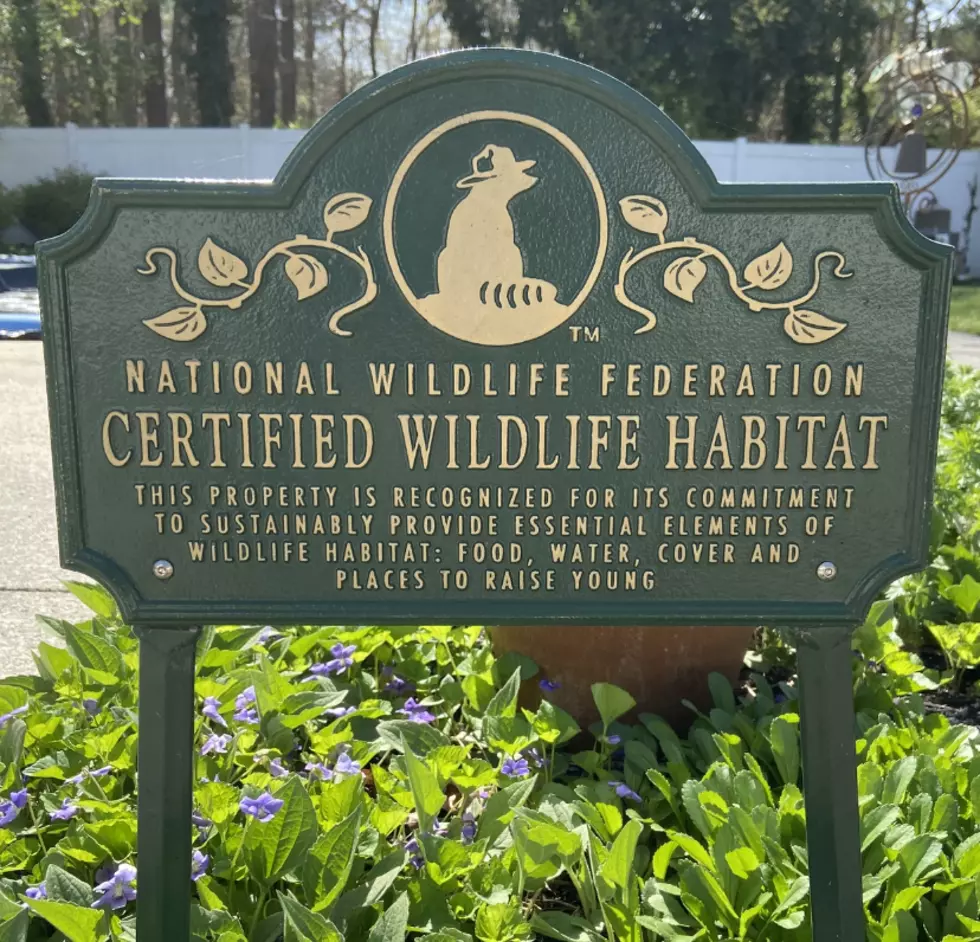
A number of years ago, my wife, Margie took the time and effort to have our own backyard certified by The National Wildlife Federation as a “Certified Wildlife Habitat.”
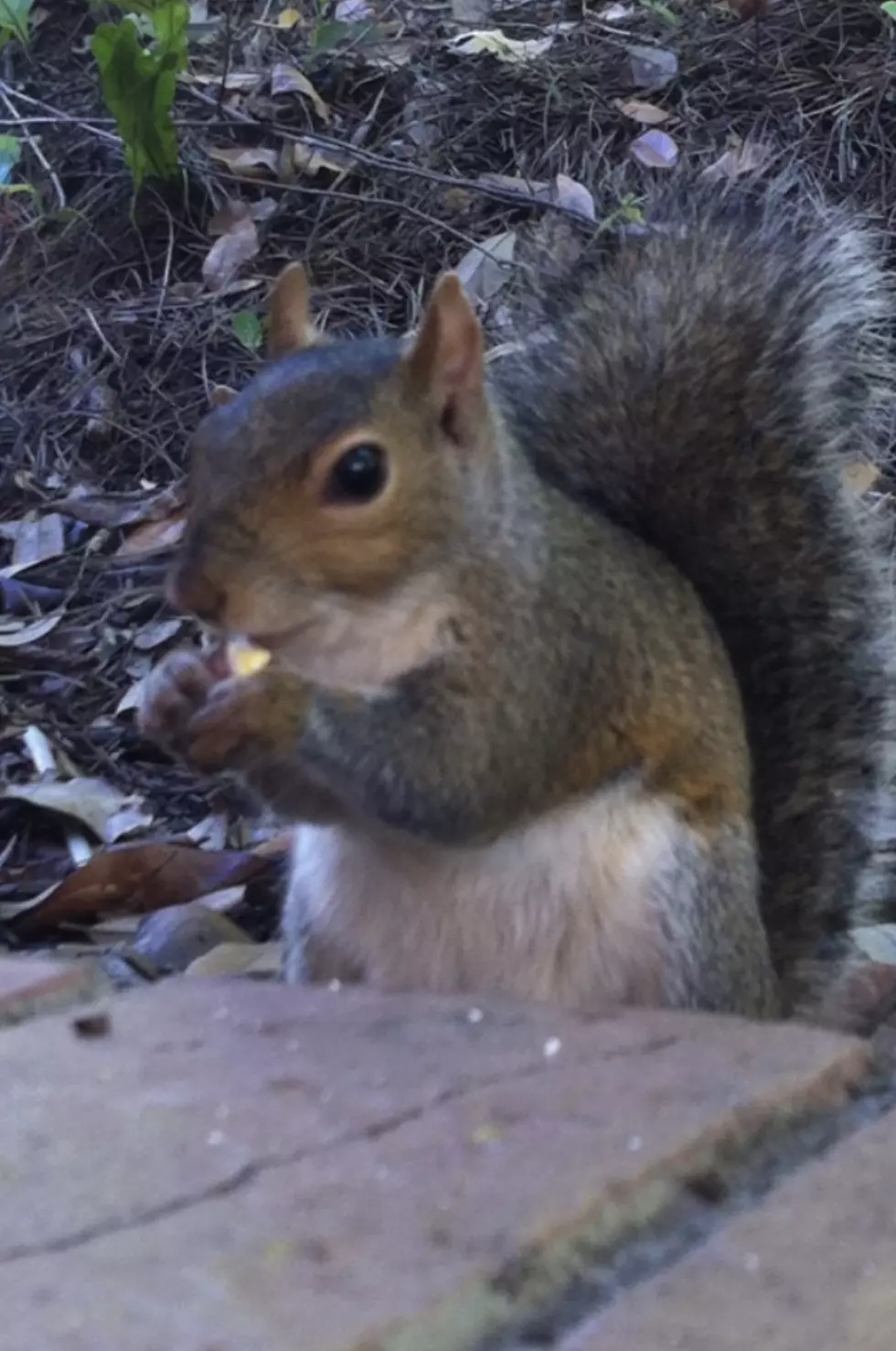
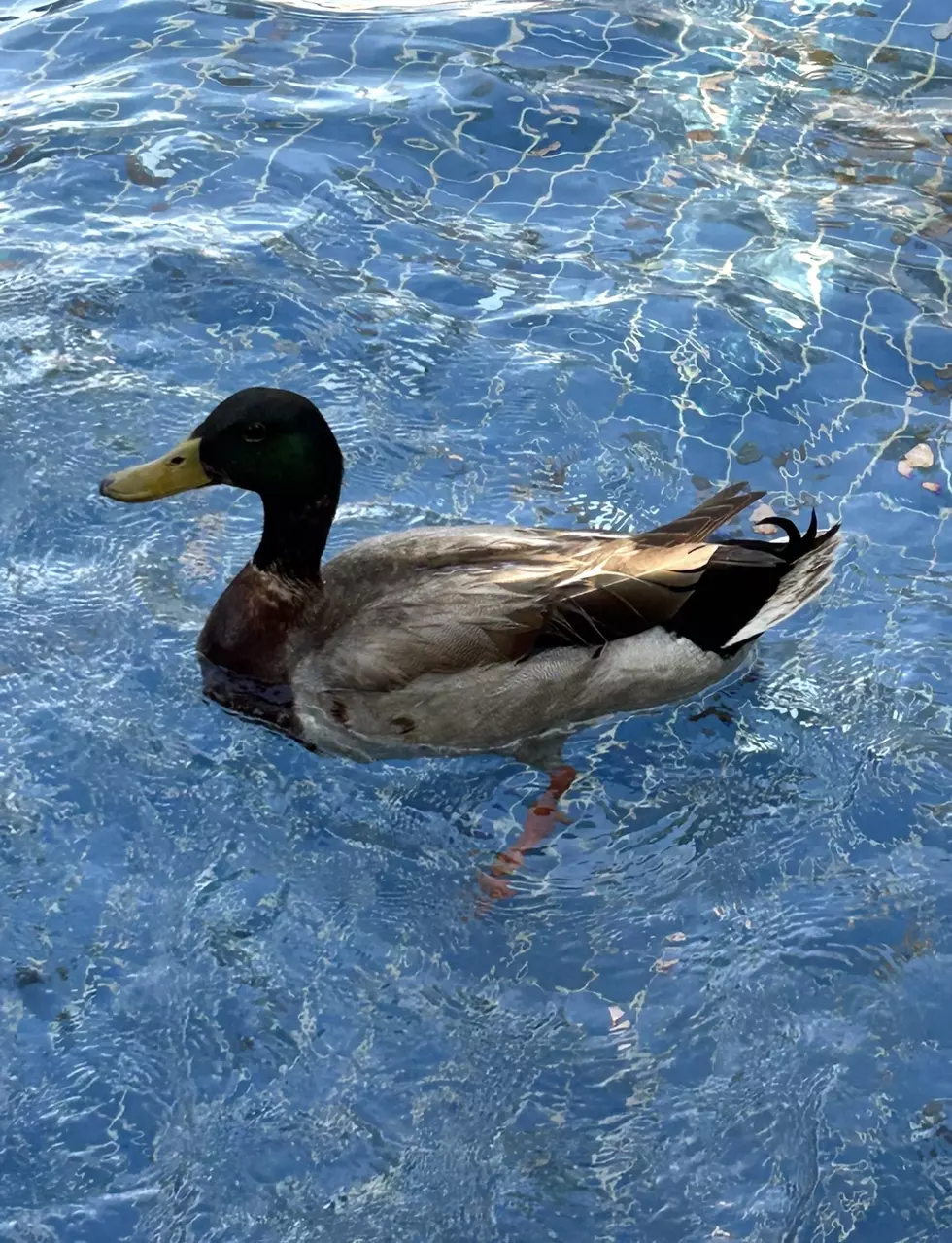
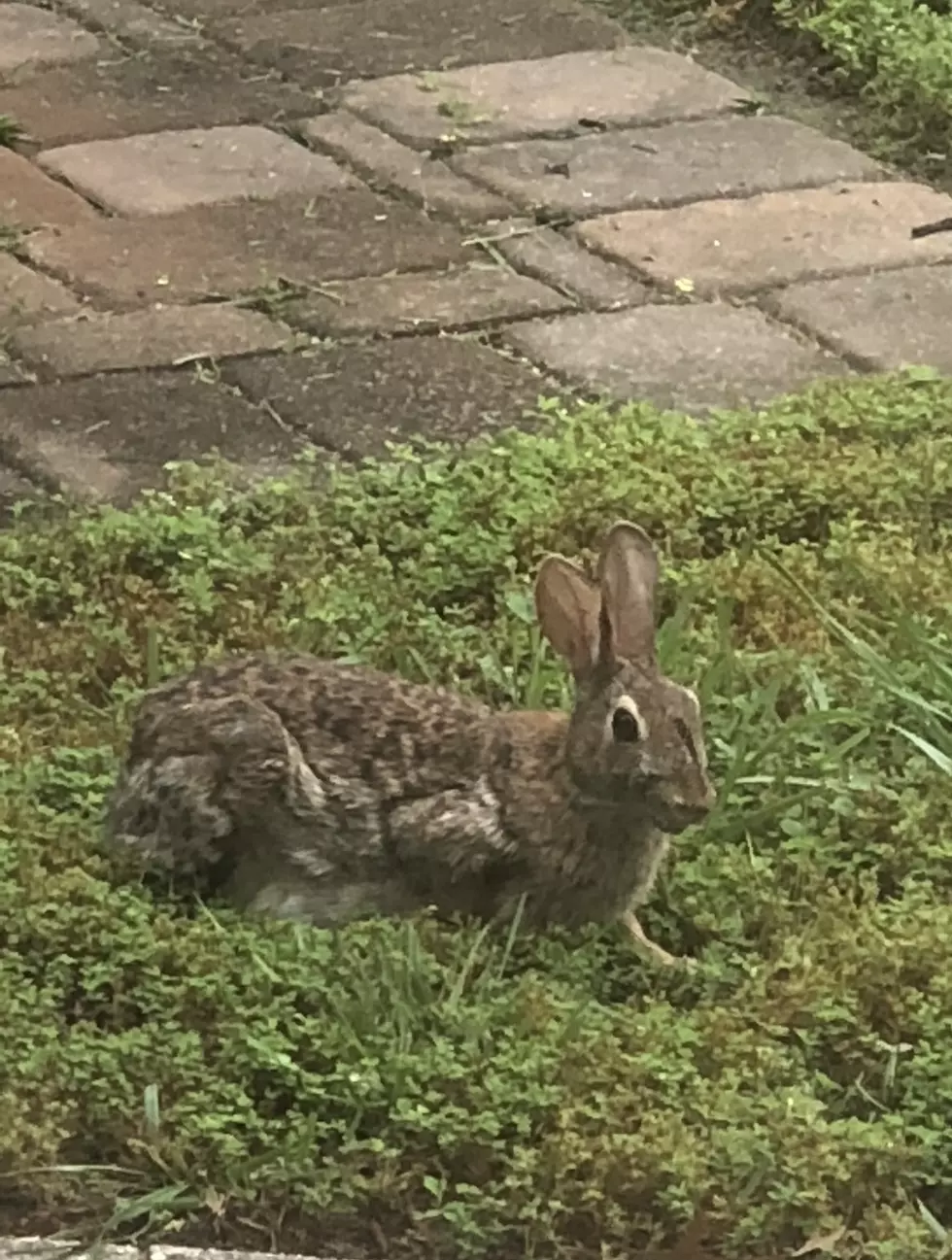
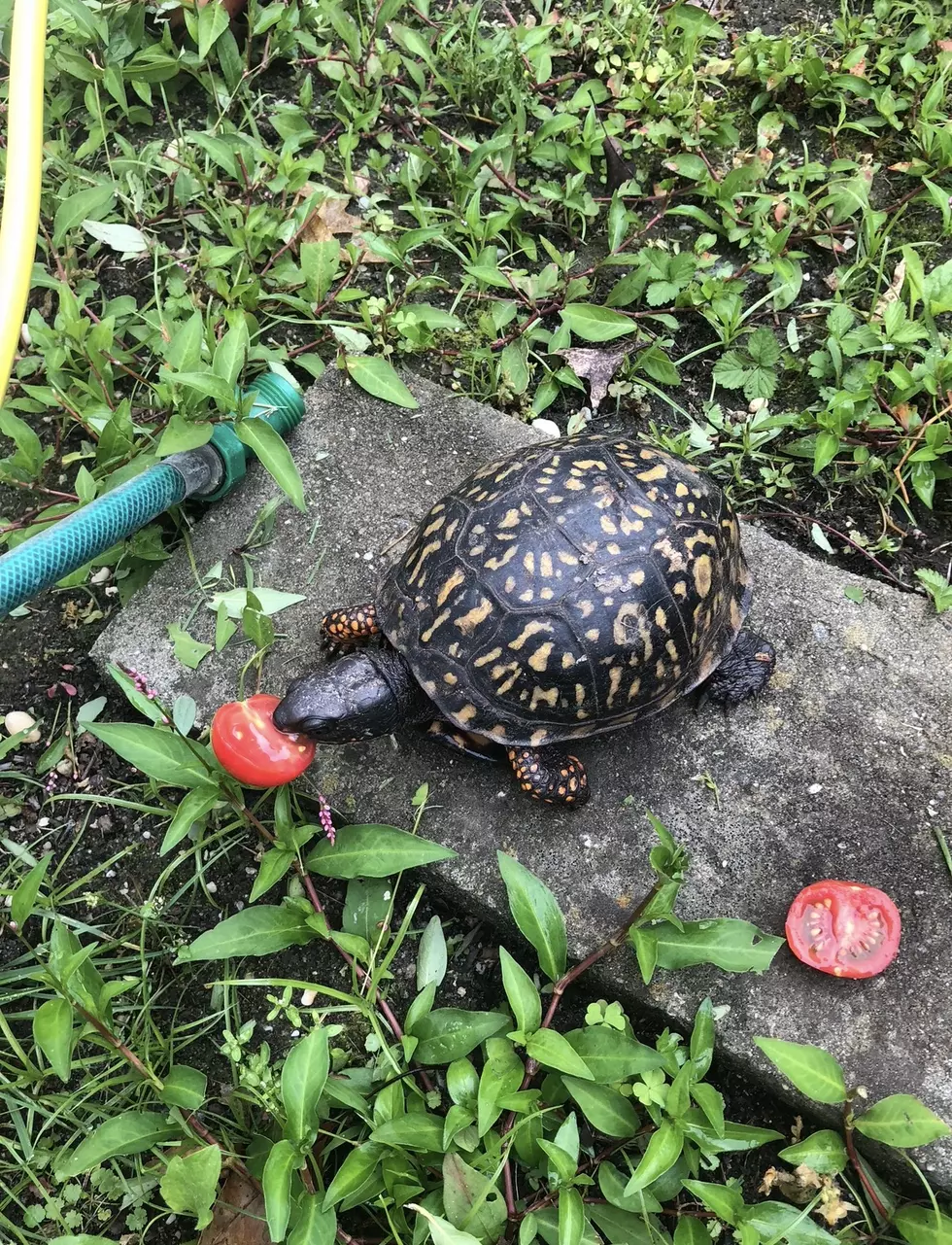
We have rabbits, ducks, a groundhog, multiple Eastern Box Turtles, squirrels, and more in our backyard.
Everything that the animals need to live, is available in our backyard.
We all live in peace and tranquility together. No one gets in each other’s way.
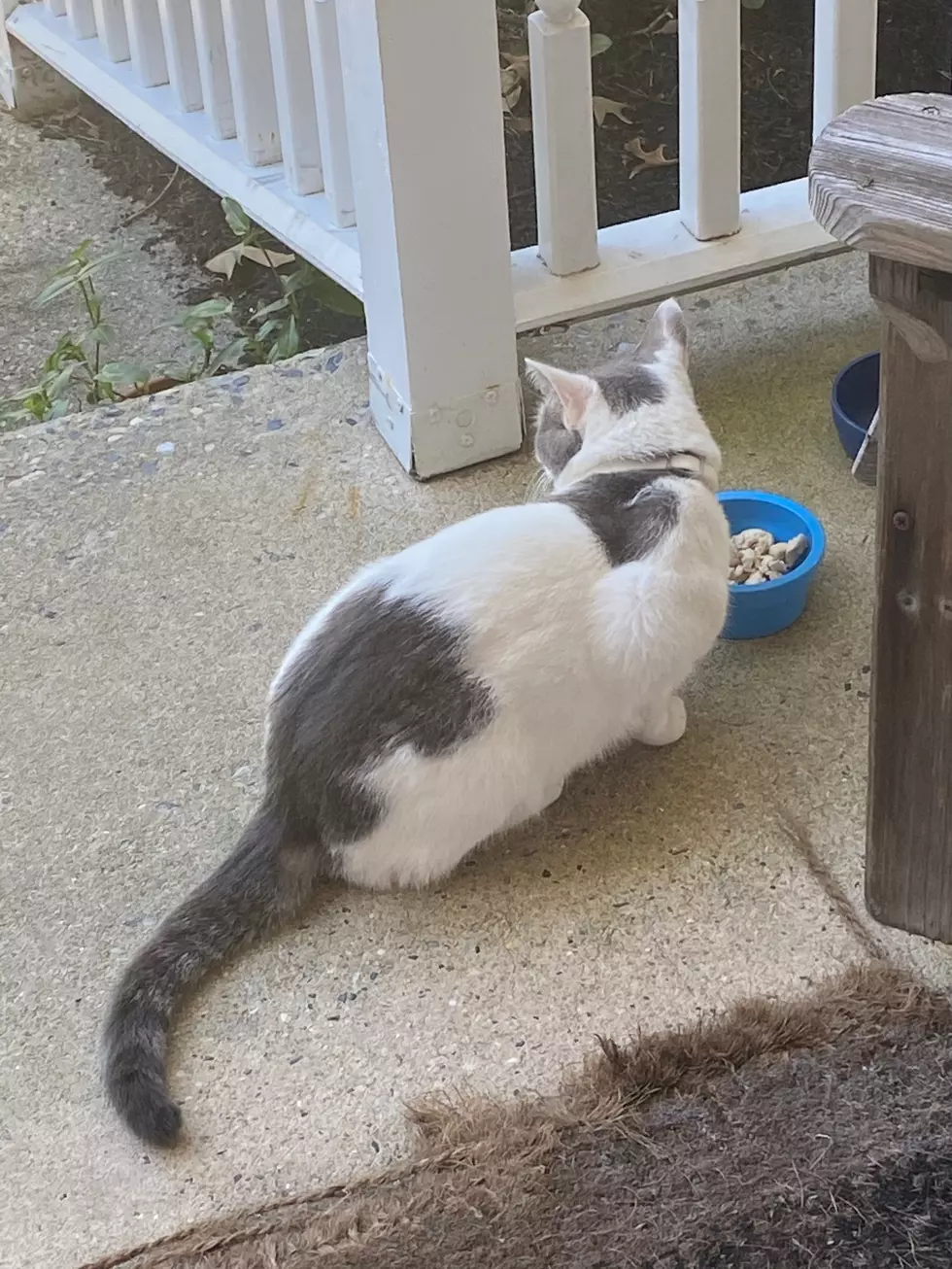
Actual Photos From Our Backyard





Best Meal Served At Great Atlantic City, N.J. Area Restaurants
Gallery Credit: Harry Hurley
What Are These Atlantic & Cape May, NJ Communities Best Known For?
Gallery Credit: Harry Hurley
