One of the Year’s Best Meteor Shows Peaks Over NJ This Weekend
The Geminid meteor shower is underway, and the peak is set to happen this weekend, Saturday night, Dec. 13th, into Sunday morning, Dec. 14th.
As always, the meteor shower will be most visible in the Pinelands, or anywhere away from urban New Jersey's light pollution.
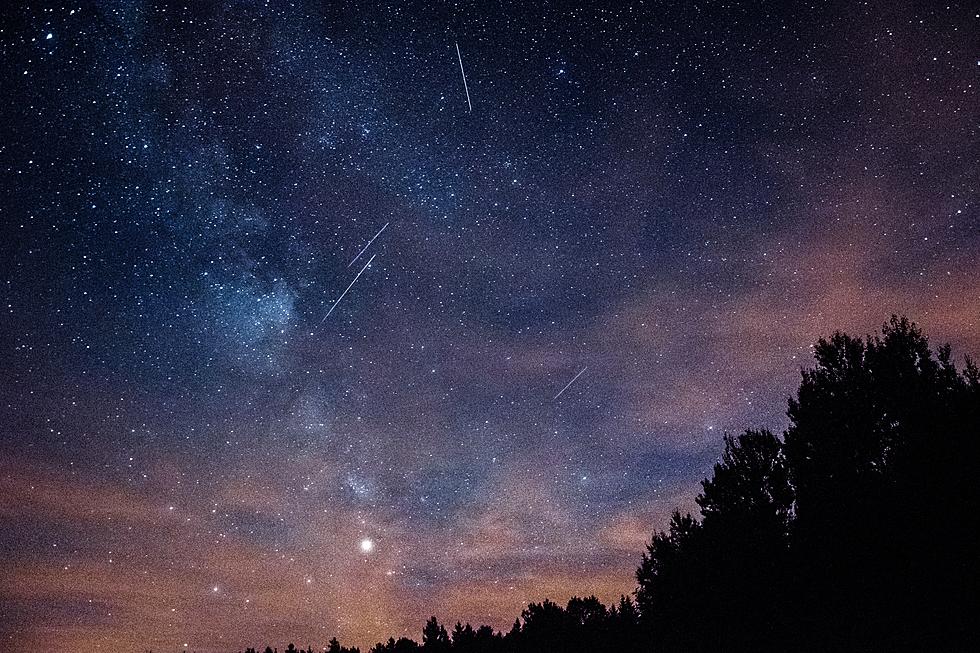
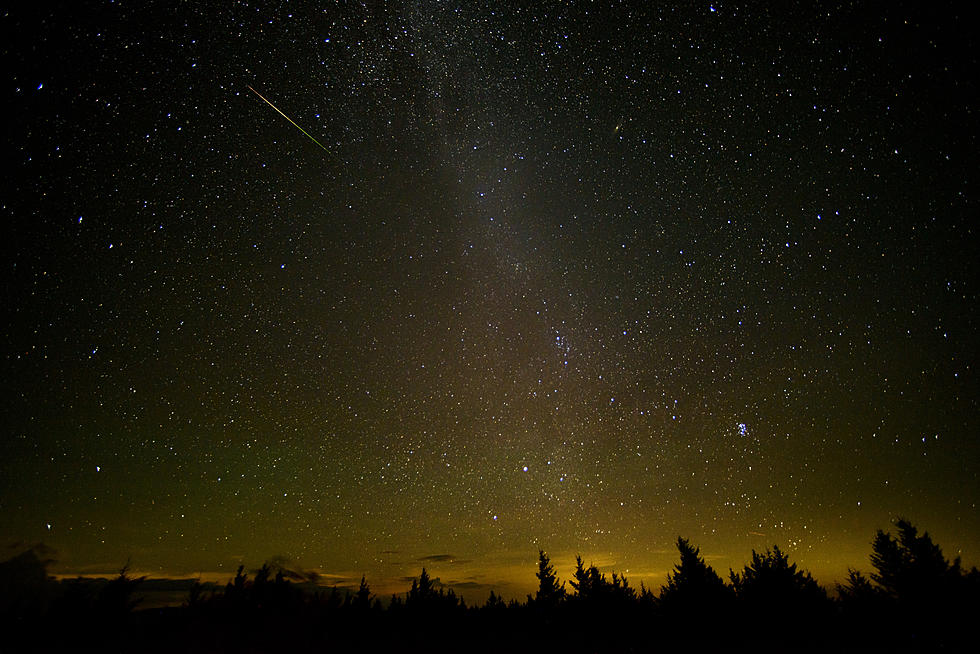
The spectacular Geminid meteor shower is one of the year's best, with shooting stars and bright multi-colored fireballs expected to light up the December sky.
The International Meteor Organization ranks the Geminids as the "best and most reliable of the major annual showers presently observable" on its Meteor Shower Calendar.
The Geminids are also one of the best opportunities for young viewers to see a meteor, since the shower starts as early as 9 pm.
The meteor shower will last through the night.
Geminid Meteor Shower Is Quite a Light Show
The nearly 200-year-old Geminid meteor shower is considered one of the "best meteor showers every year because the individual meteors are bright, and they come fast and furious," according to Space.
The site estimates that areas without light pollution may witness between 120 to 150 meteors per hour, while brighter locales may see around 60 per hour.
Experts say the best way to see a maximum amount of meteors is to bring a blanket or a sleeping bag to lie on, and gaze straight up from the ground -- but a lawn chair will also work.
Face south and look up, taking in as much of the sky as possible. After about 30 minutes in the dark, your eyes will adapt, and you will begin to see meteors.
What makes the Geminid Meteor Shower Different
Meteors come from leftover comet particles and bits from asteroids.
Meteor showers get their names from the radiant's location, the point in the sky where the meteors appear. The radiant location is typically a star or constellation. The Geminid radiant is in the Gemini constellation.
According to NASA, unlike most meteor showers, which originate from comets, the Geminids originate from an asteroid: 3200 Phaethon.
Asteroid 3200 Phaethon takes 1.4 years to orbit the Sun once.
Scientists say it is possible that Phaethon is a "dead comet" or a new kind of object being discussed by astronomers called a "rock comet."
See The Lights, Decorations and Beauty of Cape May at Christmas
Gallery Credit: Eddie Davis
The Most Amazing Donuts in South Jersey - Listener Picks
Gallery Credit: Eddie Davis
More From Lite 96.9 WFPG