One of the Most Toxic Plants in New Jersey
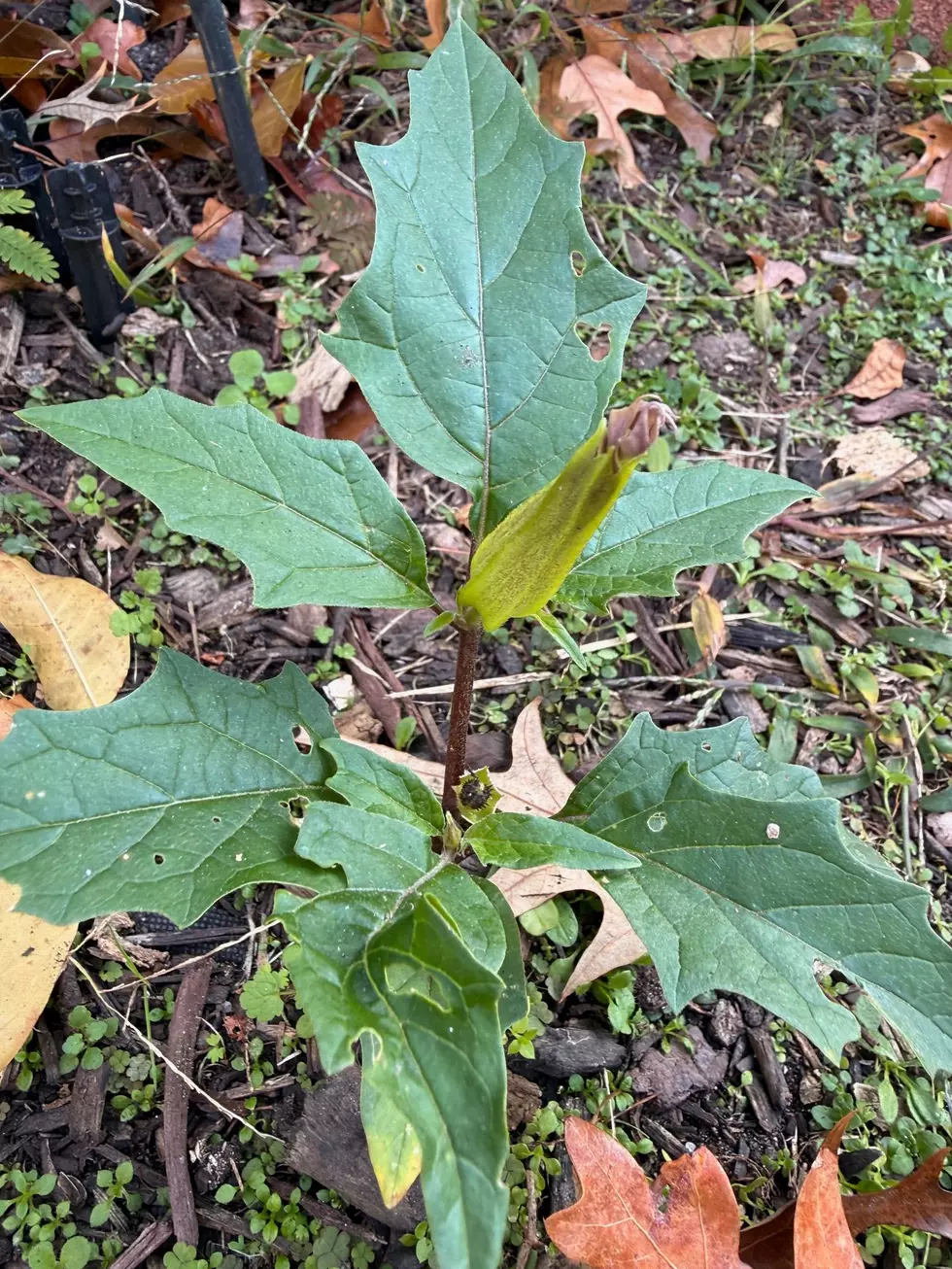
I was doing some yard work when I discovered a plant growing that I didn't see before and it caught my attention.
Upon further investigation, I discovered that this off plant was something called "Jimsonweed". It's Datura stramonium, also known as thornapple, devil's trumpet, moonflower, and stink blade, just to name a few.
Jimsonweed is part of the "nightshade" family and may be one of the most toxic plants in New Jersey.
What is Jimsonweed?
Have you ever heard of Jimsonweed? It's a wild-growing plant that you might come across along roadsides, in fields, or in other open areas. While it may look like an ordinary flowering plant, Jimsonweed is actually quite dangerous.
Jimsonweed, also known as Datura stramonium, is a plant recognized by its large, trumpet-shaped flowers and unusual spiky seed pods. The flowers are usually white or pale purple, and the plant can grow several feet tall.
Here's where things get serious. Jimsonweed contains powerful natural toxins that can be poisonous to people and animals. Every part of the plant, including its leaves, flowers, seeds, and roots, can be toxic if eaten.
Exposure can cause serious symptoms, including confusion, hallucinations, rapid heartbeat, overheating, and even life-threatening poisoning.
One thing worth remembering is that Jimsonweed isn't a plant you want to pick, handle unnecessarily, or experiment with. It can look interesting, especially when it's in bloom, but its appearance can be deceiving.
92.7 WOBM via Facebook
So, if you happen to spot Jimsonweed growing around New Jersey, admire it from a distance. It's definitely one of those plants that reminds us that not everything beautiful in nature is harmless!
Have you encountered jimsonweed?
Goosebumps and other bodily reactions, explained
KEEP READING: See 25 natural ways to boost your immune system